Abstract:The state of Tennessee sued Walgreens on Wednesday, accusing the retail pharmacy giant of fueling the state’s opioid epidemic by willfully flooding the market with an oversupply of prescription narcotics in violation of consumer protection and public nuisance laws.
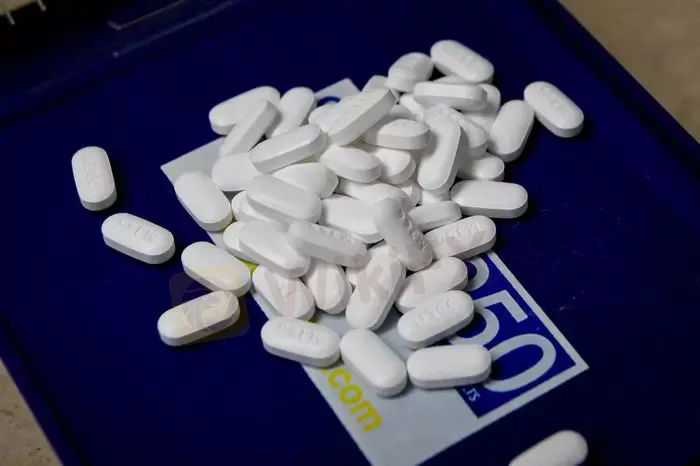
According to the lawsuit, Walgreens used its position as one of the states largest pharmacy chains to dispense over 1.1 billion oxycodone and hydrocodone pills within Tennessee from 2006 to 2020, roughly equivalent to 175 tablets for every resident of the state.
“The sheer volume of opioids that Walgreens released into Tennessee was unreasonable and highly suspicious on its face,” said the 148-page lawsuit, filed in Knox County Circuit Court. “Walgreens utterly saturated the state of Tennessee with narcotics.”
Tennessee, home to nearly 7 million residents, has been one of the hardest-hit in the U.S. opioid crisis, documenting at least three opioid-related overdose deaths every day, according to the lawsuit.
“Walgreens did not flood the state of Tennessee with opioids by accident. Rather, the fuel that Walgreens added to the fire of the opioid epidemic was the result of knowing – or willfully ignorant – corporate decisions,” it said.
Walgreens has been the target of similar lawsuits brought by other jurisdictions.
In May, its corporate parent, the Illinois-based holding company Walgreens Boots Alliance Inc, reached a $683 million settlement with Florida to resolve claims that the pharmacy chain exacerbated an opioid epidemic in that state. But Walgreens did not admit to wrongdoing under the agreement.
“We will continue to defend against the unjustified attacks on the professionalism of our pharmacists, dedicated health professionals who live in the communities they serve,” the company said in a statement emailed to Reuters on Wednesday.
“Walgreens never manufactured or marketed opioids, nor did we distribute them to the pain clinics and ”pill mills“ that fueled this crisis,” the company said.
According to the lawsuit, Walgreens effectively became part of an “unlawful controlled substance selling scheme” by ignoring numerous signs of suspicious opioid prescription practices.
The suit cited such “red flags” as a lack of individualized dosing; multiple prescriptions for the strongest dose available; many customers with the same diagnosis codes; high percentages of patients paying in cash; customers frequently seeking early refills; and customers traveling long distances to fill prescriptions.
Tennessees greatest jump in opioid dispensing, according to the lawsuit, coincided with the years 2006 to 2014 when Walgreens operated as a wholesale distributor for its own pharmacies, thus occupying two rungs of the supply chain.
Operating some 200 to 300 stores statewide, Walgreens pharmacies collectively purchased 795 million opioids from distributors during that period, the suit said. Some were sourced from other wholesalers, but Walgreens “self-distributed” 81% of its own retail opioid supplies in that era, according to the complaint.
A similar lawsuit brought against Walgreens and two pharmaceutical companies by the city of San Francisco is now under consideration by a federal judge following an 11-week trial during which the two other firms reached a $58 million settlement with the city last month.
Separately, a federal court jury decided in November that Walgreens, along with fellow pharmacy chain CVS Health Corp and discount retail giant Walmart Inc, was liable for helping create a public nuisance with an alleged flood of pain pills that wound up on the black market in two Ohio counties.
It is now up to a federal judge to decide what the companies should pay.