


Global Broker Regulation Inquiry App
About WikiFX
English
简体中文
繁體中文
English
Pусский
日本語
ภาษาไทย
Tiếng Việt
Bahasa Indonesia
Español
हिन्दी
Filippiiniläinen
Français
Deutsch
Português
Türkçe
한국어
العربية
اردو
Friction Emerges Over U.S.-Iran Agreement Implementation as Military Tensions Resurface
Abstract:[Chart 1: U.S.-Iran Relations Illustration]Tensions have resurfaced shortly after the signing of the U.S.-Iran Memorandum of Understanding, highlighting the challenges of implementing the agreement. O
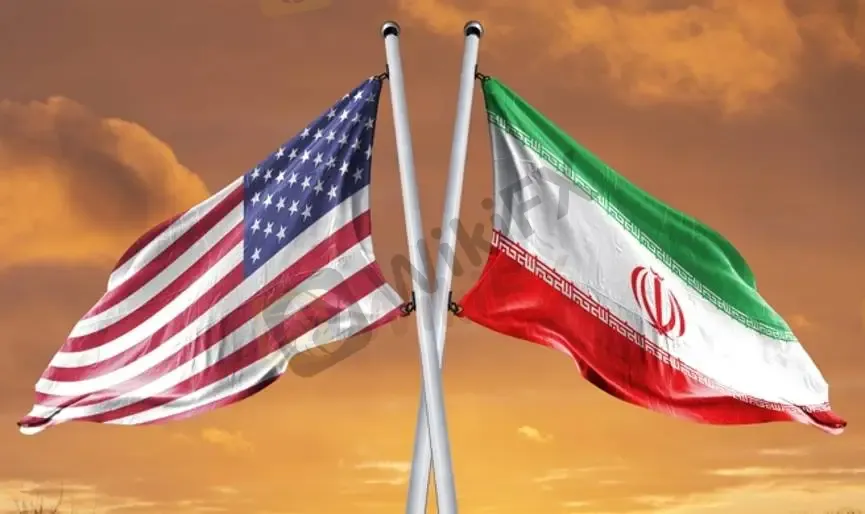
[Chart 1: U.S.-Iran Relations Illustration]
Tensions have resurfaced shortly after the signing of the U.S.-Iran Memorandum of Understanding, highlighting the challenges of implementing the agreement. On Friday, U.S. forces conducted airstrikes on targets in southern Iran, describing the operation as a response to Iranian drone attacks on commercial vessels in the Strait of Hormuz.
Iran claimed it successfully repelled the attack and warned that any further military action would trigger a swift response. President Trump criticized Iran for violating the ceasefire understanding and reaffirmed Washingtons commitment to protecting freedom of navigation in the region.
Oil markets reacted with heightened volatility. WTI crude and Brent crude both fell more than 5% intraday before recovering part of their losses as investors assessed the potential impact on global energy supplies.
Meanwhile, Iran and Oman are reportedly exploring a new management framework for the Strait of Hormuz that could include transit-related fees for vessels using the waterway. The proposal contrasts sharply with the U.S. position supporting unrestricted and permanent free passage.
Iranian officials stressed that safe navigation through the strait requires coordination with Tehran, while U.S. authorities rejected reports of a dedicated U.S.-Iran maritime hotline and emphasized that the agreement will ultimately be judged by its implementation rather than political statements.
Key Risks to the AgreementRegional Security Challenges
Israeli Prime Minister Benjamin Netanyahu stated that Israeli forces will remain in southern Lebanon until Hezbollah is disarmed, while maintaining operational flexibility in the area. Lebanon views the current framework as an important step toward restoring sovereignty, whereas Iran continues to insist that Israeli withdrawal remains a prerequisite for lasting stability.
Nuclear Commitments and Sanctions Relief
Iran announced that approximately $12 billion in frozen assets could soon be released in two stages. The United States, however, emphasized that the current arrangement is not a final peace agreement and warned that violations could lead to renewed military action.
Strait of Hormuz Governance
Iran and Oman have proposed a joint committee to coordinate maritime and customs arrangements, potentially laying the groundwork for future transit fees. Shipping companies continue to face both sanctions-compliance challenges and the risk of vessel detention, even as traffic through the strait gradually recovers.
Market and Energy Implications
The agreement initially helped restore shipping activity through the Strait of Hormuz, allowing some oil tankers to resume operations. However, renewed military tensions have increased geopolitical risk premiums across energy markets.
Analysts note that although supply concerns have eased in the short term, low inventories and fragile shipping confidence continue to pose risks. If a formal transit-fee system is eventually introduced, it could create a precedent for other strategic maritime chokepoints and significantly increase global commodity transportation costs.
The latest developments underscore the fragile trust between Washington and Tehran. While the agreement has reduced immediate tensions, disputes over security, sanctions, and maritime governance continue to threaten its long-term viability.
In the near term, military incidents and oil price fluctuations are likely to remain the primary drivers of market sentiment. Over the longer term, lasting stability will depend on whether all parties can establish workable agreements on regional security, verification mechanisms, and the management of the Strait of Hormuz.
Risk Disclaimer
The opinions, analyses, research findings, prices, and other information presented above are provided solely as general market commentary and do not represent the position of this platform. Readers should independently assess all risks and exercise caution when making investment decisions.
Disclaimer:
The views in this article only represent the author's personal views, and do not constitute investment advice on this platform. This platform does not guarantee the accuracy, completeness and timeliness of the information in the article, and will not be liable for any loss caused by the use of or reliance on the information in the article.
WikiFX Broker
Latest News
Final Hours for OneCoin Victims: Billions Lost as DOJ Compensation Deadline Looms
 WikiFX
The Hidden Drivers of Forex: How Bank Rates and Revaluations Move the Market
WikiFXHe Promised 15% Returns. Now Over 300 Investors Lost $60 Million.
WikiFXReview 2026: Webull FSA Regulation, Mobile App Access, and Complaint Signals
WikiFXFIBOGROUP Review: Offshore Regulation, Withdrawal Complaints, and Broker Red Flags
WikiFXHow to Measure True Currency Strength Beyond a Single Pair
WikiFXReview 2026: OROKU EDGE Regulation Warnings, Withdrawal Complaints, and High Leverage
WikiFXHero FX Review 2026: Is This Forex Broker Safe?
WikiFXSpaceMarket Review 2026: Is This Forex Broker Safe?
WikiFXThe Stop Loss Safe Zone: Surviving Breakouts at Key Highs and Lows
WikiFXCurrency Calculator
USD

CNY
Current Rate:0
Enter amount
USD
Redeemable Amount
CNY
Calculate 