

Global Broker Regulation Inquiry App
About WikiFX
English
简体中文
繁體中文
English
Pусский
日本語
ภาษาไทย
Tiếng Việt
Bahasa Indonesia
Español
हिन्दी
Filippiiniläinen
Français
Deutsch
Português
Türkçe
한국어
العربية
اردو


Trump Halted EU Tariffs: Trans-Atlantic Trade Deal Back on Table Amid Greenland Framework

WikiFX
|


Abstract:Market sentiment improves across the Atlantic as President Trump withdraws tariff threats following a preliminary framework regarding Greenland, prompting the European Parliament to unfreeze trade deal deliberations. However, geopolitical friction persists as Greenland's leadership rejects sovereignty concessions.
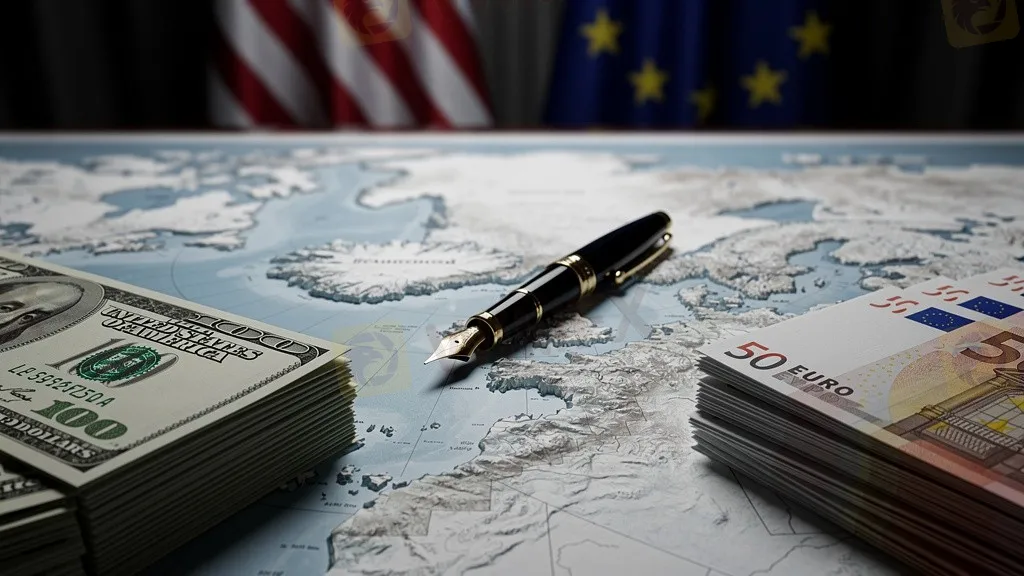
Risk appetite toward European assets received a boost on Thursday after President Donald Trump abruptly withdrew threats to impose a 10-25% tariff on eight European nations. The decision follows a strategic “framework” agreement reached with NATO regarding defense and resource access in Greenland and the wider Arctic region.
In response to the de-escalation, European Parliament President Roberta Metsola confirmed that the legislature is preparing to restart the ratification process for the stalled EU-US trade agreement, potentially holding a vote within days. This marks a sharp reversal from earlier in the week when the Parliament froze negotiations due to what they termed “coercive” threats from the White House.
The “Greenland Framework” Ambiguity
While the immediate trade war risk has subsided, the specifics of the geopolitical compromise remain opaque and potentially volatile.
- US Position: President Trump claimed the deal provides the US with “full access” to Greenland for military (Gold Dome missile defense) and mineral purposes, stating the US “got everything it wanted” without paying a fee.
- European/Danish Position: Greenland's Premier Mualoko Nielsen and Danish officials have drawn a hard line, stating that while defense cooperation is welcome, sovereignty is not negotiable. Nielsen explicitly rejected land cession, emphasizing that any agreement requires the direct participation of Nuuk and Copenhagen.
Market Implications: EUR/USD and Capital Flows
The removal of the immediate tariff threat removes a significant tail risk for the Euro (EUR) in the short term. However, the underlying tension suggests long-term structural changes in capital flows.
Reports indicate that European institutional wealth is increasingly diversifying away from US assets. The “weaponization” of US economic policy and unpredictability regarding property rights (highlighted by the Greenland annexation rhetoric) has prompted some European family offices and pension funds to reduce USD exposure.
Strategists warn that while the trade truce is positive, the narrative of “policy unpredictability” in Washington may keep the dollar's upside capped against the Euro as investors price in higher geopolitical risk premiums for US-domiciled assets.
Disclaimer:
The views in this article only represent the author's personal views, and do not constitute investment advice on this platform. This platform does not guarantee the accuracy, completeness and timeliness of the information in the article, and will not be liable for any loss caused by the use of or reliance on the information in the article.
WikiFX Broker
Latest News
Trade24Seven Review: What Traders Should Know Before Depositing
WikiFXLuno Review: Unregulated Broker Warning After Frozen Accounts and Blocked Withdrawals
WikiFXOJK Revokes BTPN Syariah Ventura Licence, SMBC Speaks Out
WikiFXG4Trade Review: Withdrawal Warning Around a New Forex Broker
WikiFXRand Gains as Iran Talks and Soft US Jobs Data Hit Dollar
WikiFXGaitame Finest Review 2026: Regulation, MT4/MT5 Access, and User Feedback
WikiFXLOYAL PRIMUS Review: Accounts Frozen After Withdrawal Requests – What Traders Need to Know
WikiFXMetaTrader Basics: Place Your First Trade
WikiFXKeynes Investment Review: No Regulatory Licence Found, Should You Trust It?
WikiFXMoneta Markets Receives UAE Category 5 Licence
WikiFX