Abstract:Cambodia’s arrest of a tycoon linked to a global online scam network has spotlighted Southeast Asia’s vast scam industry, which relies on trafficked labour and rapidly shifting operations. Despite rare high-profile action, experts warn the arrests barely dent a system that continues to exploit workers and defraud victims worldwide on an industrial scale.

Cambodias recent arrest and extradition of a powerful tycoon accused of running a massive online scam network has drawn rare attention to an industry that has quietly drained tens of billions of dollars from victims worldwide. While the case is being hailed as a breakthrough, authorities and experts warn it is only a small dent in a much larger, deeply entrenched problem across Southeast Asia.
According to investigators from the United States and the United Kingdom, the man, Chen Zhi, is believed to have led a transnational criminal operation that relied on trafficked workers to run online scams targeting victims around the globe. His arrest is unusual in an industry where those at the top are rarely held accountable.
For many victims, scams begin in the most ordinary way — a casual text offering a part-time job, asking about weekend availability, or simply saying “hello.” On the other side of the screen, however, the messages are often sent by people working under coercion, thousands of kilometres away. These workers are forced to send messages for 12 to 16 hours a day, hoping someone will respond.
The human cost behind these scams is staggering. Hundreds of thousands of people are believed to be trapped in forced labour, confined in heavily guarded compounds scattered across Southeast Asia. Their sole task is to deceive strangers online and extract as much money as possible.

Even with a high-profile arrest like Chens, dismantling the industry remains extremely difficult. One reason is how easily operations relocate when pressure builds. In Myanmar, the military last October moved into KK Park, one of the most notorious scam compounds along the Thai border, and declared it shut down. But while some buildings were demolished and workers fled across the border into Thailand, many other scam centres continued operating elsewhere in the country.
KK Park was only one of dozens of similar sites along the Thai-Myanmar border. Across Southeast Asia, there are believed to be hundreds more, making it nearly impossible for enforcement actions to keep up. When one site is raided, workers and equipment are simply moved to another location.
Many of these scam centres grew out of the regions casino and illegal gambling industry. Over the past decade, casinos — both licensed and unlicensed — spread rapidly across Southeast Asia, often catering to Chinese gamblers, where gambling is illegal. According to the United Nations, more than 340 casinos were operating in the region as of 2021.
When the COVID-19 pandemic cut off travel and revenue dried up, some operators pivoted. Using the same buildings, networks and labour, they shifted from gambling to online fraud, targeting victims worldwide through investment scams, romance scams and fake job offers.
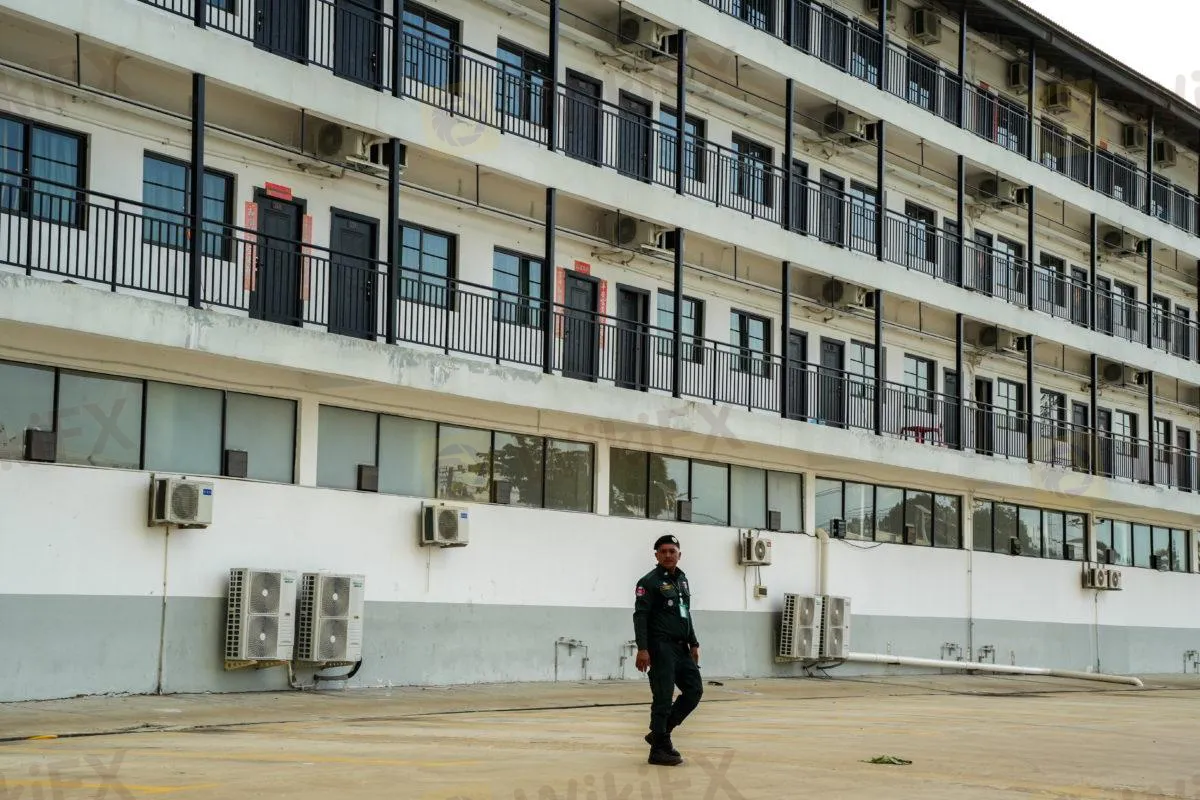
The workforce behind these scams is a mix of trafficked victims and people who initially arrived willingly. Many were promised well-paid office jobs, only to find themselves trapped once they arrived. The United Nations estimates that about 120,000 people in Myanmar and another 100,000 in Cambodia are being forced to work in scam operations, though the true number may be higher.
Today, workers come from at least 56 countries, including Southeast Asian nations as well as parts of Africa. Many have their passports confiscated, limiting any chance of escape. Those who fail to meet daily targets risk beatings or other forms of punishment. Only senior figures are allowed to move freely.
The scams themselves are global in reach. Criminal groups increasingly rely on artificial intelligence tools to translate messages, allowing them to target victims across different languages and regions. In the Philippines, authorities earlier this year raided a compound where scammers were impersonating executives from a Chinese state-owned oil company to lure victims into fake investment schemes.
The financial damage is immense. US authorities estimate that Americans alone lost at least US$10 billion to scams linked to Southeast Asia in 2024. Prosecutors say Chen Zhis network scammed at least 250 Americans, including one victim who lost US$400,000 in cryptocurrency.
Cambodian authorities confirmed this week that Chen and two other Chinese nationals were extradited to China. Chens Cambodian citizenship was revoked late last year before his transfer.
Despite arrests and periodic raids, activists warn that the people who truly control these networks often remain untouched. Scam centres continue to surface, and new victims are recruited every day — both as workers and as targets.
As one anti-trafficking advocate put it, rescuing victims alone is not enough. Without dismantling the criminal syndicates behind the operations, the cycle will simply repeat.
“They can always find new workers, and they can always find new victims,” he said. “Thats why this problem keeps coming back.”