


Why Most Retail Traders Fail: What the Numbers Reveal
Retail trading data shows why so many traders quit or lose money, from short survival periods and high costs to overconfidence, emotional decisions, and poor risk control.
Original

简体中文
繁體中文
English
Pусский
日本語
ภาษาไทย
Tiếng Việt
Bahasa Indonesia
Español
हिन्दी
Filippiiniläinen
Français
Deutsch
Português
Türkçe
한국어
العربية
اردو




Abstract:The market is designed to transfer money from the impatient to the patient, and from the arrogant to the humble.
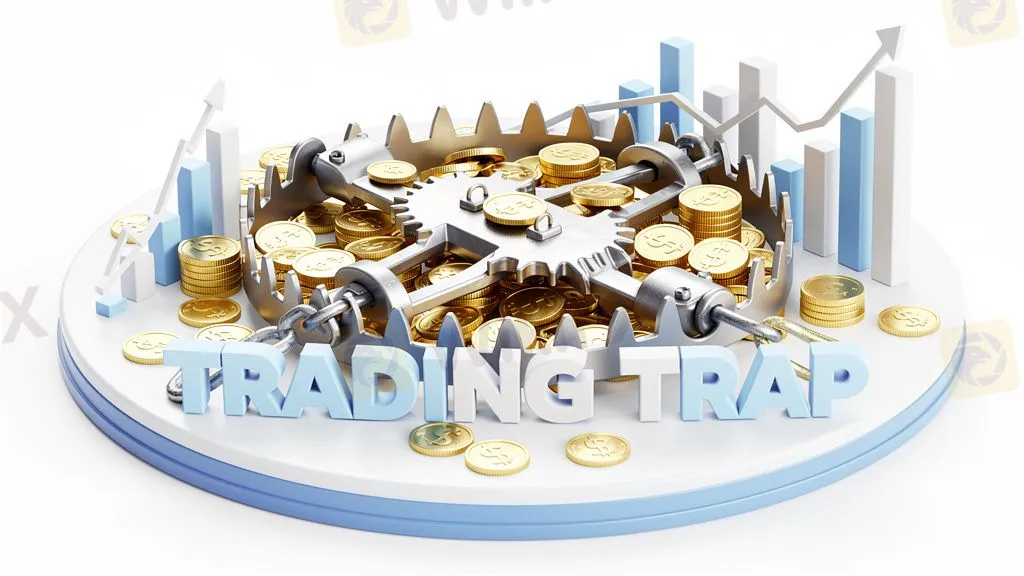
You just closed your fifth winning trade in a row. You‘re walking differently. You’re checking prices at dinner. You feel like youve finally “cracked the code” of the market.
Stop right there.
I need you to listen to me very carefully. You are currently in the most dangerous position a trader can be in.
Ive seen this story play out a thousand times with my students. The trader who loses money is cautious. They double-check charts. They fear the market. But the trader who is winning? They think they are invincible. And that is exactly when the market comes to collect its debt.
Here is the cold, hard truth about why your winning streak is likely leading you straight into a blown account.
When you win consecutively, your brain dumps dopamine into your system. Its the same chemical reaction a gambler gets at a slot machine.
Biologically, this chemical rush suppresses your fear center. You literally lose the ability to perceive risk accurately.
In your first trade, you calculated your Stop Loss down to the cent. You risked 1% of your account. But now? Youve won five times. You think, “I can read the charts perfectly.”
So, on trade number six, you get sloppy.
The market doesn't care about your streak. The market is a probability machine. When that sixth trade goes against you, you don't cut it. You hold it. Because your ego refuses to admit the streak is over. That one trade eats the profits of the previous five, and then it eats your principal.
Most novice traders treat profits like “house money.”
You start with $1,000. You make $200 profit. Now you have $1,200.
You tell yourself, “That $200 isn't really mine yet. I can risk all of it on the next trade.”
This is the fastest way to zero. That $200 is your money. It belongs to you. If you treat it like a free chips at a casino, you will lose it.
When you are winning, you tend to increase your position size. You start trading 1 lot instead of 0.1 lots. But your psychology hasn't adjusted to the new swing size. A $50 move against you used to be annoying; now its terrifying. Panic sets in, you freeze, and the margin call hits.
There is another invisible risk during a winning streak: Complacency.
When you are losing, you blame the broker. You check the spreads. You look for manipulation. When you are winning? You stop checking. You blindly trust the platform because the green numbers look good.
This is a mistake.
Some unregulated brokers monitor profitable accounts. If they see you sizing up aggressively, they might widen spreads or introduce “slippage” to trip you up.
Don't let your guard down just because you are in the green. Before you ever decide to increase your deposit or trade size, do a sanity check. Go to WikiFX and look up your broker's current regulatory status and score.
If you are going to risk more money, make sure you aren't fighting a rigged system. WikiFX is your shield here—verify that the broker has the liquidity to pay you out when you win big. Dont hand your profits back to a scammer just because you were too euphoric to check their license.
If you have won 4 or 5 trades in a row, here is my prescription. It will feel boring, but it will save your account.
The market is designed to transfer money from the impatient to the patient, and from the arrogant to the humble.
A winning streak is a test of your character. Do you have the discipline to stay small and follow your rules when everything is going right? Or will you let your ego take the wheel?
Stay humble. Check your broker on WikiFX. Protect your capital.
Disclaimer: This article is for educational purposes only and does not constitute financial advice. Trading involves significant risk. Always do your own research.
Disclaimer:
The views in this article only represent the author's personal views, and do not constitute investment advice on this platform. This platform does not guarantee the accuracy, completeness and timeliness of the information in the article, and will not be liable for any loss caused by the use of or reliance on the information in the article.
Retail trading data shows why so many traders quit or lose money, from short survival periods and high costs to overconfidence, emotional decisions, and poor risk control.

The market is a game of psychology, not just economics. Trade what the chart is doing, not what the news anchor is saying.
I see it every single day. A student sends me a screenshot of their trading setup, asking why they got stopped out.
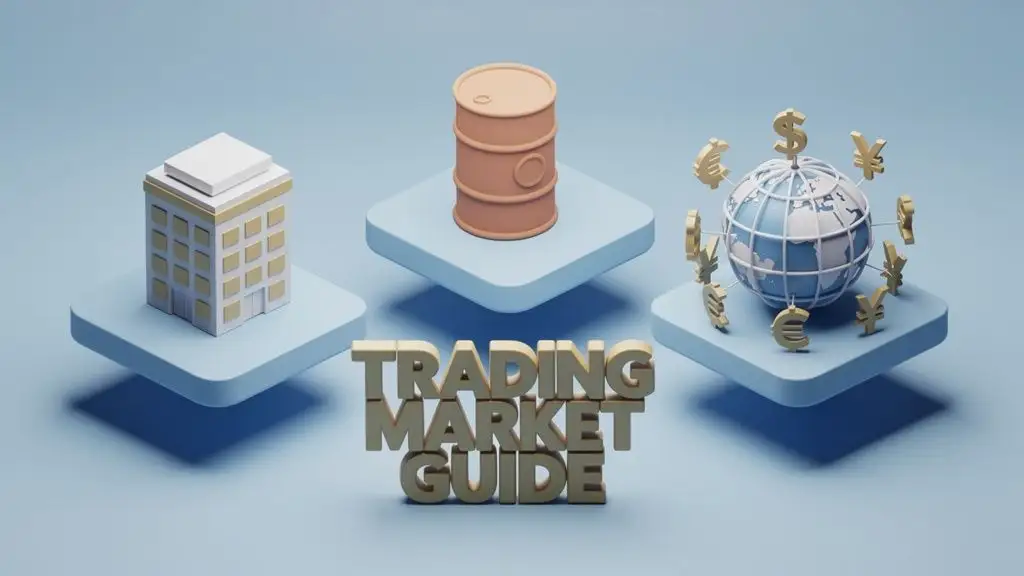
You’ve probably seen the screenshots on social media. Someone turns $500 into $5,000 in a single morning, and suddenly everyone wants to be a trader. But here is the cold reality: trading isn’t a single game. It’s a collection of different battlefields, and if you bring a knife to a gunfight, you’re going to lose your capital.
WikiFXWikiFXWikiFXWikiFXWikiFXWikiFXWikiFXWikiFXWikiFXWikiFX