

Global Broker Regulation Inquiry App
About WikiFX
English
简体中文
繁體中文
English
Pусский
日本語
ภาษาไทย
Tiếng Việt
Bahasa Indonesia
Español
हिन्दी
Filippiiniläinen
Français
Deutsch
Português
Türkçe
한국어
العربية
اردو


RMJDT: What Malaysia’s First Ringgit-Backed Stablecoin Means?

WikiFX
|


Abstract:Malaysia has taken a step into the digital asset economy with the launch of RMJDT, a ringgit-backed stablecoin issued on the Zetrix blockchain.
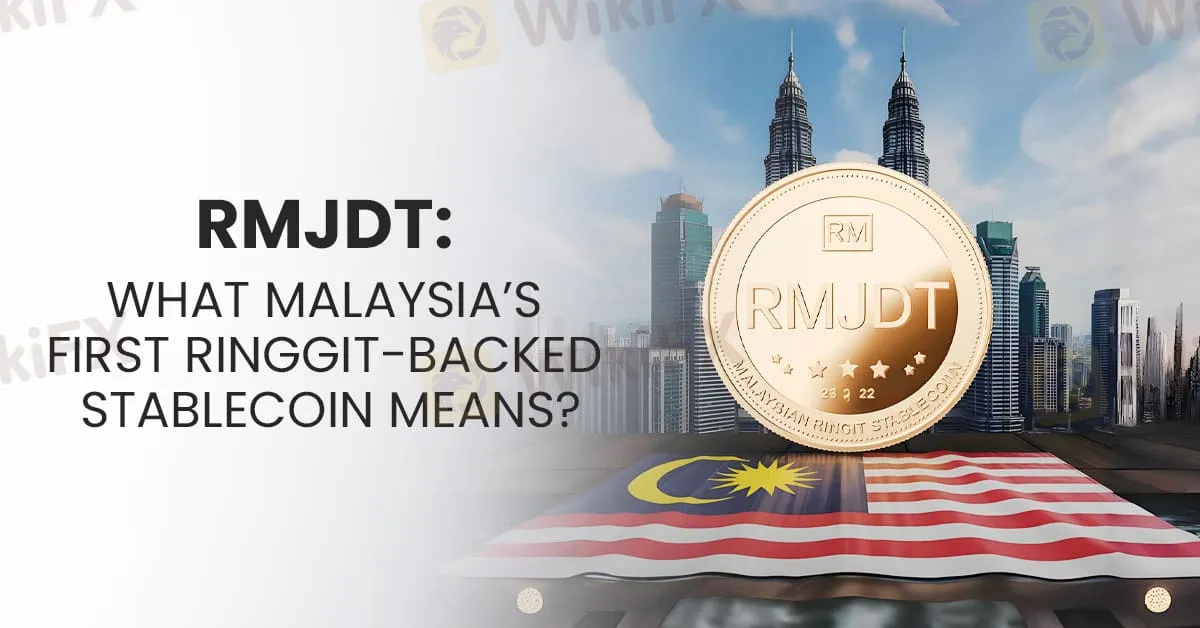
Malaysia has taken a major step into digital finance with the launch of RMJDT, a stablecoin backed by the Malaysian ringgit and built on the Zetrix blockchain. The project is led by Bullish Aim Sdn Bhd, chaired by His Royal Highness Tunku Ismail Ibni Sultan Ibrahim, the Regent of Johor. It aims to modernise how trade is settled and to strengthen the ringgits use in international markets.
RMJDT has been introduced through a regulated sandbox, allowing the authorities to observe how the stablecoin functions while ensuring proper oversight. Its main goal is to improve the speed and transparency of cross-border transactions. By doing so, it could help the ringgit gain a stronger role in global trade. The initiative also supports Malaysias Digital Asset National Policy, which encourages the safe growth of digital assets in the country.
The launch comes at a time when many countries are exploring tokenised currencies and blockchain-based financial systems. By backing RMJDT with the national currency, Malaysia is positioning itself to benefit from these global trends. Officials hope the stablecoin will make Malaysia more attractive to foreign investors who are looking for reliable digital assets.
Alongside the stablecoin, Bullish Aim is setting up a Digital Asset Treasury Company (DATCO). The treasury will start with RM500 million worth of Zetrix tokens, with plans to increase this amount to RM1 billion. This reserve is meant to help keep network fees stable for RMJDT users and support up to 10% of the validator nodes that form part of the Malaysia Blockchain Infrastructure. The strategy mirrors approaches taken by international firms such as MicroStrategy and Bitmine Immersion, which hold large digital asset reserves to support their operations.
Tunku Ismail explained that building a treasury of Zetrix tokens is necessary to ensure stable operations and to stay aligned with the national blockchain system. He also stressed that the stablecoin and the treasury both show Johor‘s intention to promote digital innovation and support Malaysia’s wider plans for digital asset development.
Zetrix, the blockchain used for RMJDT, is developed by Zetrix AI Berhad, previously known as MY EG Services Bhd. It is a public layer-1 chain designed for privacy, security and scalability. The network also connects to blockchain systems in China, enabling important global trade functions such as digital identifiers and verifiable credentials. This cross-border capability is expected to play an important role in how RMJDT is used internationally.
The combined launch of RMJDT and DATCO represents a notable moment for Malaysias blockchain landscape. If the system works as intended, it could make international settlements smoother, increase trust in ringgit-backed digital assets and draw more investment into the country. It also positions Malaysia as an active player in the shift towards tokenised financial systems.
While the long-term results are still unknown, one thing is clear: Malaysia is aiming not only to keep pace with digital finance, but to help shape its future.

Disclaimer:
The views in this article only represent the author's personal views, and do not constitute investment advice on this platform. This platform does not guarantee the accuracy, completeness and timeliness of the information in the article, and will not be liable for any loss caused by the use of or reliance on the information in the article.
WikiFX Broker
Latest News
BX Trade Review: Is a $1 Minimum Deposit Worth the No-Regulation Risk?
WikiFXFizmo Fx Markets Review 2026: Unregulated Status and Withdrawal Complaints
WikiFXWhy Importers Panic When Dollars Dry Up, and Why You Should Care
WikiFXSingapore Nabs 270 Suspects in RM17 Million Scam Bust
WikiFXCrypto Platform YEPBIT Got Shutdown by Australian Regulators
WikiFXWinvest Review: Is Your Deposit Safe?
WikiFXTRADEVIEW MARKETS Review: Broker Complaints, Regulation Warnings, and Funds Withheld Claims
WikiFXJust Markets Review: 1.82 Score and No Regulation Despite Positive Reviews
WikiFXReview 2026: RoboMarkets Regulation, Platform Access, and Trader Feedback
WikiFXWhy More Commodity Revenue Doesn't Instantly Strengthen a Currency
WikiFX