Abstract:Interactive Brokers (IBKR) has warned its clients about a growing number of scams where criminals pretend to be from the company.
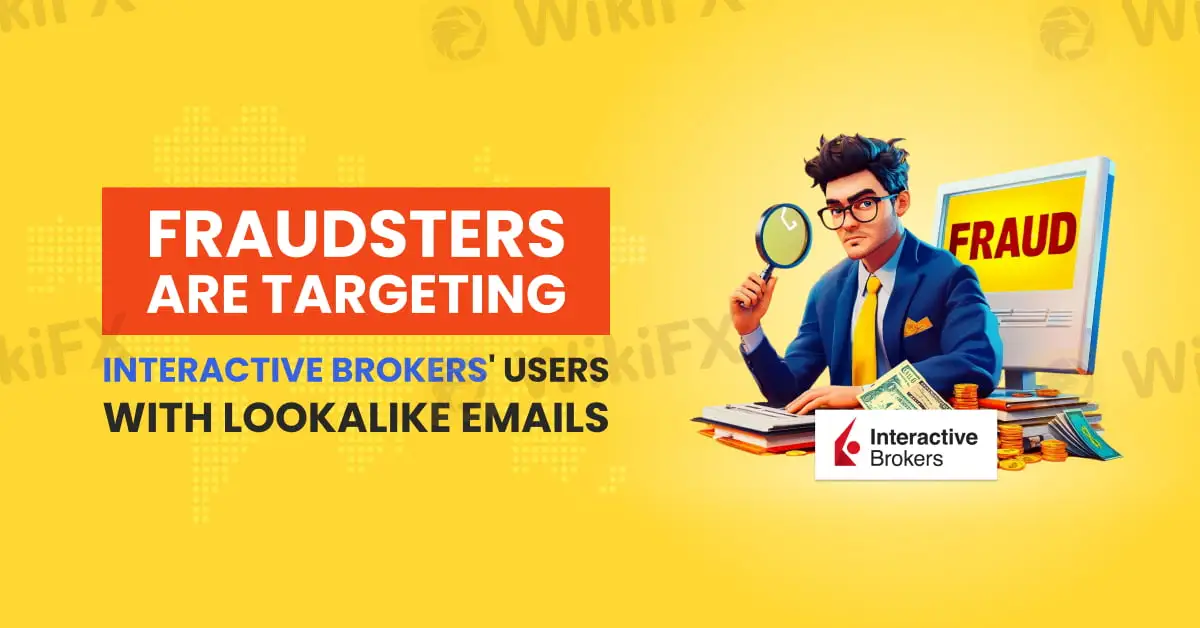
Interactive Brokers (IBKR) has warned its clients about a growing number of scams where criminals pretend to be from the company.
IBKR is a large trading platform that lets people buy and sell stocks, options, and other investments around the world. On 2 June, the company told customers it had seen a rise in cases of scammers using its name, logo, and fake employee identities to trick people.
These scams are known as “clone firm” scams. The criminals make their messages and websites look almost exactly like the real company‘s. They may contact people by phone, email, or social media. Often, they claim there’s a problem with the persons account or offer a fake investment deal. Sometimes they send fake documents or pressure the person to act fast to avoid losing money.
Interactive Brokers explained that it never contacts people out of the blue to offer investments. It does not talk about personal accounts on social media, ask for remote access to phones or computers, or charge money to open or close accounts. It also never asks for login details or tells people to transfer money over the phone. If someone does any of these things, its almost certainly a scam.
The company also warned people to be careful of any messages that sound urgent or threatening. Scammers often try to scare people into making quick decisions without thinking.
To help protect themselves, customers should never share their login information with anyone. Usernames and passwords should be kept private at all times. If someone asks for this information, it is a clear sign of fraud.
Using two-step verification is another important safety step. This adds an extra layer of protection to trading accounts and makes it harder for scammers to gain access, even if they somehow get hold of a password.
It is also important to stay alert when reading emails or messages, especially if they create a sense of urgency. Messages that sound too alarming or push for fast action should be treated with suspicion.
People should always take a moment to confirm who is contacting them before doing anything. If someone claims to be from Interactive Brokers, it's best to visit the official website or use verified contact information to check.
Finally, if someone notices anything suspicious, they should report it to local police or financial regulators as soon as possible. Reporting these scams can help stop others from becoming victims.

As incidents like this become increasingly common, tools such as WikiFX can play a vital role in helping individuals verify the legitimacy of brokers and financial platforms. WikiFX offers an extensive database of global broker profiles, regulatory status updates, and user reviews, enabling users to make informed decisions before committing to any financial investment. Its risk ratings and alerts for unlicensed or suspicious entities help investors easily spot red flags and avoid potential scams. By using tools like WikiFX to research a broker's background, individuals can safeguard their hard-earned savings and reduce the risk of falling victim to fraudulent schemes.