Abstract:CBEX, already exposed as a Ponzi scheme, is now demanding “activation fees,” further eroding public trust.
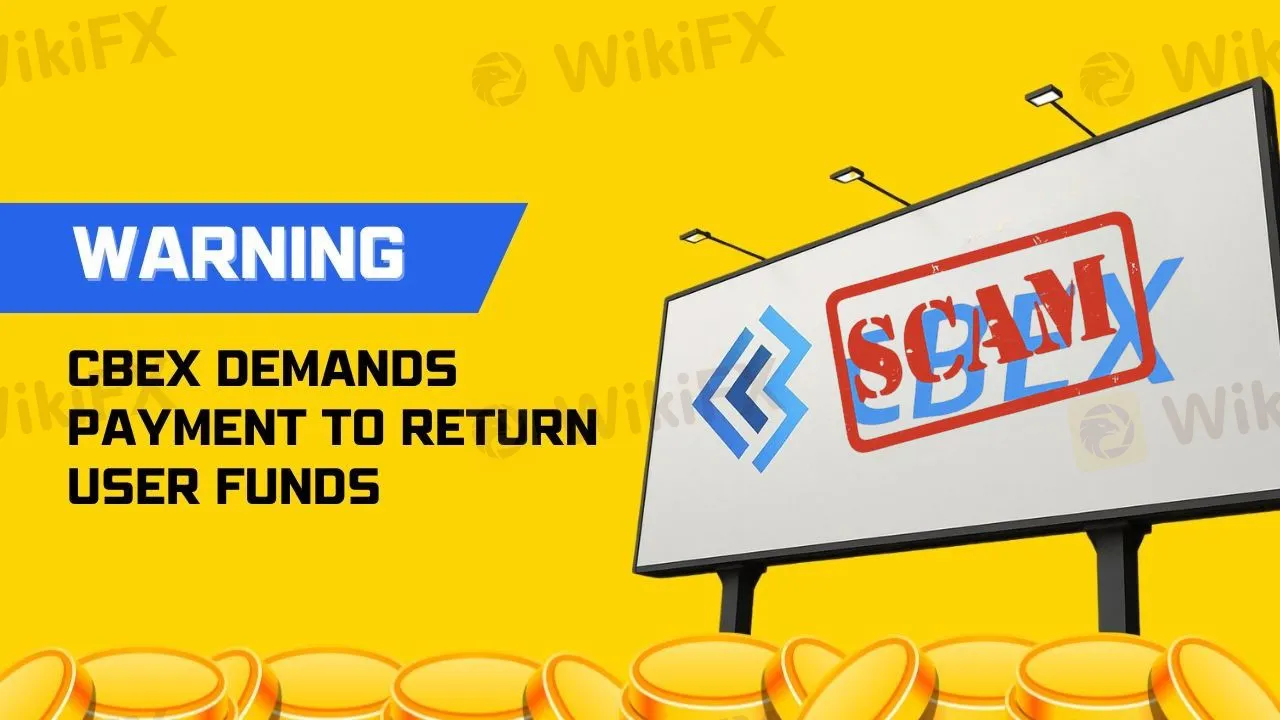
The embattled Nigerian crypto platform, Crypto Bridge Exchange (CBEX), has sparked renewed controversy by announcing a new withdrawal scheme that many users and experts have called into question. According to the latest update, users holding up to $1,000 in account balance must now pay a $100 activation fee in order to withdraw just 50% of their original funds. CBEX claims that these partial reimbursements will be released by June 20, 2025.
This requirement raises serious concerns. For a platform that has been accused of misappropriating funds from over 600,000 Nigerian users, charging a fee upfront in exchange for a partial payout only months later appears not only unreasonable but also highly suspicious. Critics argue that it may serve as a tactic to extract even more money from already defrauded victims.
As previously reported by WikiFX, CBEX gained popularity in Nigeria by promoting itself as a high-return digital asset platform. Investors were promised a 100% return within 30 days, often with added incentives for referrals. In reality, CBEX operated under a classic Ponzi structure—using new deposits to pay out earlier participants—until it abruptly froze withdrawals in April and went silent.
The original report on CBEXs collapse and fraudulent operations can be found here:
Many victims have since taken to social media to share their stories of lost savings, with some staging protests in cities like Lagos and Ibadan. The Nigerian Securities and Exchange Commission (SEC) has already declared CBEX illegal, but no formal investigations have been confirmed.
CBEXs latest offer has done little to rebuild trust. The notion that investors must pay to recover their own money—only partially and after a long delay—has been widely interpreted as a red flag. Financial analysts warn that such tactics are common in “exit scam” phases of fraudulent platforms.
Users are strongly advised to exercise caution and avoid making further payments to CBEX under the promise of recovery. For those seeking more information or clarity on the CBEX case, WikiFX will continue to track developments as they unfold.