Abstract:Despite being rich in oil, Nigeria struggles with refining shortages. What’s behind this paradox, and how are different actors reacting?
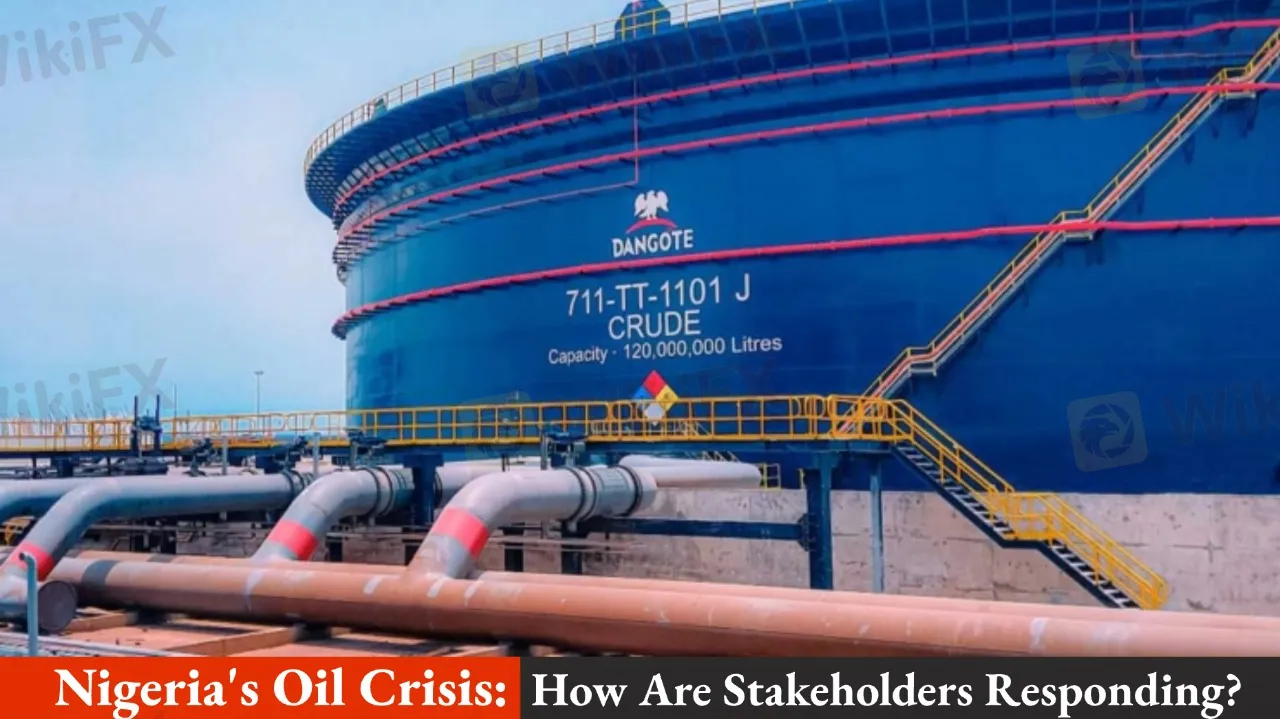
Nigeria is currently facing a troubling paradox: the country holds Africas largest oil reserves and has ramped up its refining capacity, yet it is unable to secure enough crude oil to keep its local refineries running. This mismatch between production and domestic supply has raised alarms among industry players and economists alike.
A Crisis of Disconnection
At the heart of this crisis lies a disconnect between crude oil producers and domestic refiners. International Oil Companies (IOCs) operating in Nigeria are reportedly bypassing the countrys local refineries, despite a legal requirement to supply crude oil domestically. Instead, they continue selling to foreign traders, who then re-export the same crude back to Nigeria—often at significantly inflated prices.
The result? Approximately 60 million barrels of Nigerian crude are said to be stranded offshore, unsold, and floating in tankers. This creates a logistical and economic nightmare: local refineries are starved of input, while valuable oil sits idle at sea, generating storage costs and contributing nothing to domestic needs.
According to analysts, this is not merely a market fluctuation but a systemic flaw. Under Nigerias Petroleum Industry Act (PIA), producers are obligated to allocate a portion of their output for local refining. However, weak enforcement has allowed companies to circumvent these rules with little to no consequence.
As a result, refiners such as the Dangote Refinery and other modular plants have been forced to source crude from overseas suppliers—including the U.S., Algeria, and Angola—at a cost that could reach $8.56 billion over six months. This comes as Nigeria continues to battle rising inflation, foreign exchange shortages, and a sluggish economic recovery.
Regulatory Weaknesses and Industry Frustrations
The Nigerian Upstream Petroleum Regulatory Commission (NUPRC), tasked with enforcing the PIA, has repeatedly warned oil producers against exporting crude meant for domestic use. Yet these warnings have had little real effect. Stakeholders argue that enforcement is symbolic at best, and there appears to be a lack of political will or capacity to impose serious penalties.
An anonymous industry expert described the situation as “an intentional system failure,” where IOCs are exploiting loopholes while local refineries are ignored or blocked from accessing crude supply auctions. This imbalance has not only undermined Nigerias energy independence efforts but has also discouraged further investment in the refining sector.
In recent years, Nigeria has attracted significant investment in its downstream oil sector. The much-anticipated Dangote Refinery and other modular refineries were expected to reduce the countrys reliance on imported fuel and create a more self-sufficient petroleum economy. Yet these efforts are now in jeopardy as they struggle to obtain locally sourced crude oil.
According to the Crude Oil Refinery Owners Association of Nigeria (CORAN), a number of refinery projects have been stalled due to lack of raw materials. Some plants, originally planned to process tens of thousands of barrels per day, remain idle or incomplete because investors cannot be assured of consistent crude supply.
Only a handful of players—such as Walter Smith Refinery and Aradel Energy, which operate on their own marginal oil fields—have managed to refine oil intermittently. Others have not processed a single barrel in the past six to eight months.
What Lies Ahead?
For Nigeria to overcome this crisis, a number of strategic adjustments will be essential. First, the enforcement of domestic crude supply laws must be taken seriously. Regulators must move beyond warnings and start issuing real consequences for non-compliance. Transparent monitoring and a strict auditing system will be crucial in closing the current loopholes.
Second, the government should restructure the crude allocation process, ensuring that domestic refineries have fair and prioritized access to raw materials. Long-term contracts between local refiners and producers could help mitigate uncertainty and promote investment in refining infrastructure.
Third, the export-first mentality of the oil sector must be rebalanced. While foreign exchange earnings from crude exports remain vital, they should not come at the cost of undermining domestic energy development. A diversified approach that allows for both export and local refining would help Nigeria build resilience against global price fluctuations and supply chain disruptions.
As oil and gas advisor Moses Ebirien noted, this is a critical moment for Nigeria‘s energy sector. “We must stop allowing multinationals to dictate the terms while ignoring the needs of our economy,” he said. “The laws are clear—it’s time for implementation, not rhetoric.”
If Nigeria can successfully reform its oil distribution policies and prioritize internal development, the country could finally begin to turn its abundant resources into real economic strength. But if the current inefficiencies persist, billions in investment and national potential may continue to be wasted offshore—both literally and figuratively.