Abstract:Know why Forex regulations are crucial for safe trading. Discover how to verify brokers' legitimacy and avoid scams using tools like WikiFX. Stay informed and protected.
The Forex market is the world‘s largest and most liquid financial market, with daily trading volumes soaring past $6 trillion. This massive market presents countless opportunities for traders, but it also attracts bad actors looking to take advantage of unsuspecting individuals. This is why Forex regulations are so important—they act as the first line of defense against scams and fraudulent brokers. In this article, we’ll take a closer look at the role of Forex regulations, how they protect you, and why platforms like WikiFX are invaluable for verifying broker legitimacy.
 Contents
What Are Forex Regulations?
Forex regulations are a set of rules and guidelines put in place by financial authorities to oversee the operations of brokers and ensure fair trading. These regulations are designed to shield traders from fraud, manipulation, and unethical practices. They also play a vital role in maintaining the integrity of the financial markets by enforcing transparency and accountability.
Regulated brokers must meet strict standards. They are required to maintain adequate capital reserves, separate client funds from company funds, and provide transparent pricing. These safeguards ensure that traders investments are protected and that brokers operate ethically.

However, not all brokers are regulated, and some may operate in regions with loose or nonexistent regulation. These unregulated brokers often lure traders with promises of low spreads, high leverage, and enticing bonuses. But behind the scenes, they may engage in dishonest practices like price manipulation, refusing withdrawals, or even outright stealing funds.
This is where understanding Forex regulations becomes crucial. Choosing a regulated broker significantly reduces the chances of falling victim to scams and sets you up for a safer and more positive trading experience.
Leading Regulatory Bodies Around the World
Forex regulations differ by country, and each has its own regulatory body responsible for overseeing financial markets. Some of the most respected regulators worldwide include:
- United States: The Commodity Futures Trading Commission (CFTC) and the National Futures Association (NFA) are known for their strict regulations. They enforce tough capital requirements, regular audits, and anti-fraud measures.
- United Kingdom: The Financial Conduct Authority (FCA) is one of the most respected regulatory bodies in the world. It mandates client fund segregation and transparent pricing.
- European Union: The European Securities and Markets Authority (ESMA) oversees Forex brokers across the EU. Its regulations include leverage limits, negative balance protection, and required risk warnings.
- Australia: The Australian Securities and Investments Commission (ASIC) ensures that brokers follow high standards of conduct, including fair pricing and client fund protection.
- Japan: The Financial Services Agency (FSA) conducts rigorous oversight of financial markets, including strict leverage limits and regular broker inspections.
- Cyprus: The Cyprus Securities and Exchange Commission (CySEC) is a popular regulator for brokers operating in the EU, offering a balance of strict oversight and favorable business policies.
While these regulators are reputable, it‘s important to note that not all jurisdictions have equally stringent regulations. Some regions allow for looser oversight, making it easier for fraudulent brokers to operate. This is why checking a broker’s regulatory status is crucial.

How to Verify a Brokers Legitimacy
Given that many brokers claim to be regulated, how can you be sure they‘re telling the truth? Here are some steps you can take to verify a broker’s legitimacy:
- Check the Regulator‘s Website: Reputable regulatory bodies maintain a public register of licensed brokers. Visit their website and search for the broker’s name to confirm their license status.
- Look for Transparency: Legitimate brokers are upfront about their regulatory status and licensing information. If a broker seems evasive or unclear about their regulation, thats a red flag.
- Use Trusted Platforms Like WikiFX: Platforms such as WikiFX are excellent tools for verifying broker legitimacy. WikiFX offers comprehensive information on brokers, including regulatory status, user reviews, and any past violations. Its a quick way to assess whether a broker is trustworthy.
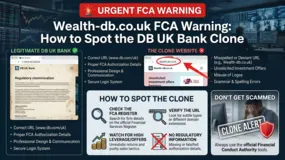
- Beware of Clone Firms: Fraudulent brokers sometimes create websites that mimic legitimate brokers to trick traders. Double-check the broker‘s website URL and make sure it matches the official site listed on the regulator’s register.
- Read Reviews and Testimonials: User reviews can offer insights into a brokers reputation, but be wary of fake reviews. Always cross-check information from different sources.
- Test Customer Support: A legitimate broker will have responsive, professional customer support. Test their communication channels to evaluate their reliability.
By following these steps, you can significantly reduce your chances of falling victim to a Forex scam.
Why You Should Trade with Regulated Brokers
Trading with a regulated broker comes with several advantages, including:
- Fund Safety: Regulated brokers must separate client funds from company funds, ensuring your money is safe even if the broker goes bankrupt.
- Fair Trading Conditions: These brokers follow strict rules around pricing, execution, and leverage, ensuring fair treatment for all traders.
- Dispute Resolution: If something goes wrong, you can file a complaint with the regulator, who will investigate and resolve the issue.
- Transparency: Regulated brokers must provide clear pricing, terms and conditions, and regular financial reports.
- Peace of Mind: Trading with a broker regulated by a reputable authority gives you peace of mind, letting you focus on your trades rather than worrying about the integrity of your broker.
Conclusion: Stay Safe and Informed
The Forex market offers vast opportunities, but it‘s also fraught with risks. Understanding the importance of Forex regulations and verifying a broker’s legitimacy are critical steps in protecting yourself from scams. By choosing a regulated broker and using platforms like WikiFX, you can trade with confidence and minimize your exposure to fraudulent activity.
Remember, successful trading isn‘t just about strategy—it’s about ensuring you‘re working with a trustworthy and reliable broker. Stay informed, stay vigilant, and don’t let the allure of high returns blind you to the importance of regulation. Forex regulations exist to protect you, so make sure you don‘t overlook them. Don’t get scammed—trade smart and trade safe.