Abstract:In the realm of forex and cryptocurrency trading, leveraging is a common practice that allows traders to amplify their positions with borrowed capital. While high leverage can potentially lead to significant gains, it also carries inherent risks that traders should be mindful of. Understanding and managing these risks is essential for navigating the volatile markets effectively.
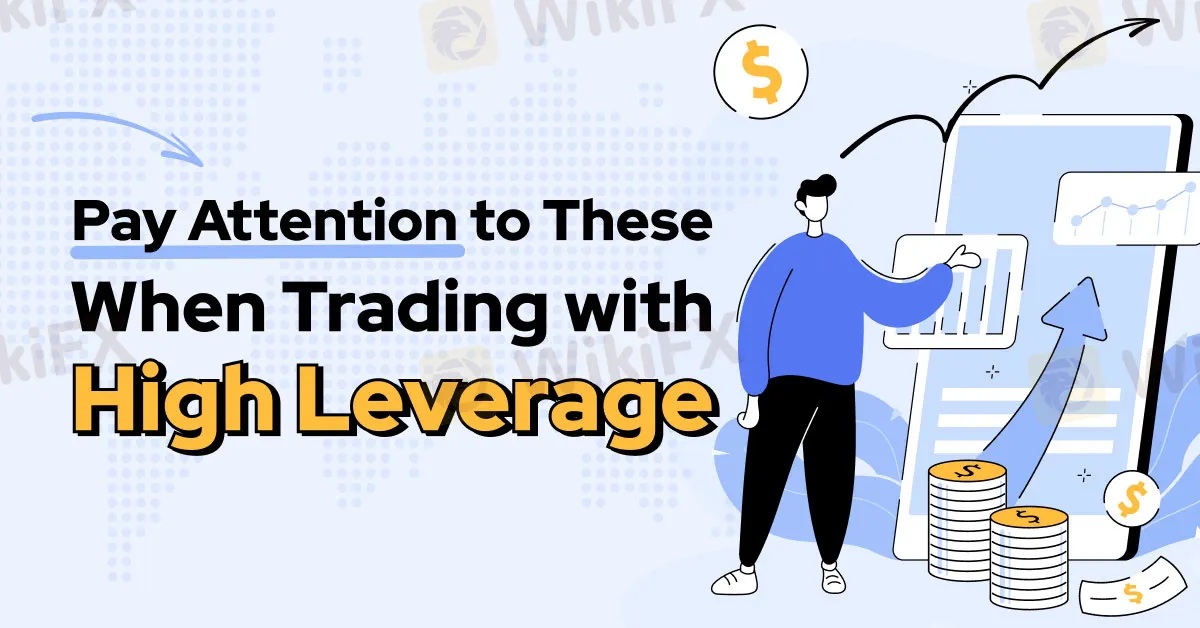
In the realm of forex and cryptocurrency trading, leveraging is a common practice that allows traders to amplify their positions with borrowed capital. While high leverage can potentially lead to significant gains, it also carries inherent risks that traders should be mindful of. Understanding and managing these risks is essential for navigating the volatile markets effectively.

One crucial aspect to consider when trading with high leverage is the potential for magnified losses. While leverage can amplify profits, it can also amplify losses, leading to rapid depletion of trading capital if positions move against the trader. As such, it's vital for traders to employ risk management strategies such as setting stop-loss orders and maintaining proper position sizing to mitigate potential losses.
Another factor to pay attention to is market volatility. High leverage combined with volatile market conditions can result in increased price fluctuations, making it challenging to predict market movements accurately. Traders should be prepared for sudden price swings and take steps to protect their positions accordingly.
Additionally, traders should be aware of the impact of leverage on margin requirements. High leverage typically requires smaller margin requirements, allowing traders to control larger positions with a relatively small amount of capital. However, this also means that traders are more susceptible to margin calls if their positions move against them. It's essential to monitor margin levels closely and ensure sufficient funds are available to support open positions.
Furthermore, regulatory considerations play a crucial role when trading with high leverage. Different jurisdictions have varying regulations governing leverage limits and margin requirements for forex and cryptocurrency trading. Traders should familiarize themselves with the regulatory landscape in their jurisdiction and adhere to any applicable guidelines to avoid regulatory issues.
Lastly, it is essential for traders to have a thorough understanding of the products they are trading and the risks involved. High leverage products such as derivatives and margin trading can be complex instruments that require a level of expertise to trade successfully. Traders should conduct thorough research, stay informed about market developments, and seek professional advice if needed.
In conclusion, while high leverage trading can offer opportunities for significant returns, it also comes with increased risks that traders must carefully manage. By paying attention to factors such as potential losses, market volatility, margin requirements, regulatory considerations, and product knowledge, traders can navigate high leverage trading environments more effectively and protect their capital.