Abstract:Robinhood reclaims $605 million in shares once held by FTX's Sam Bankman-Fried amid legal controversies, impacting the platform's valuation and market dynamics.
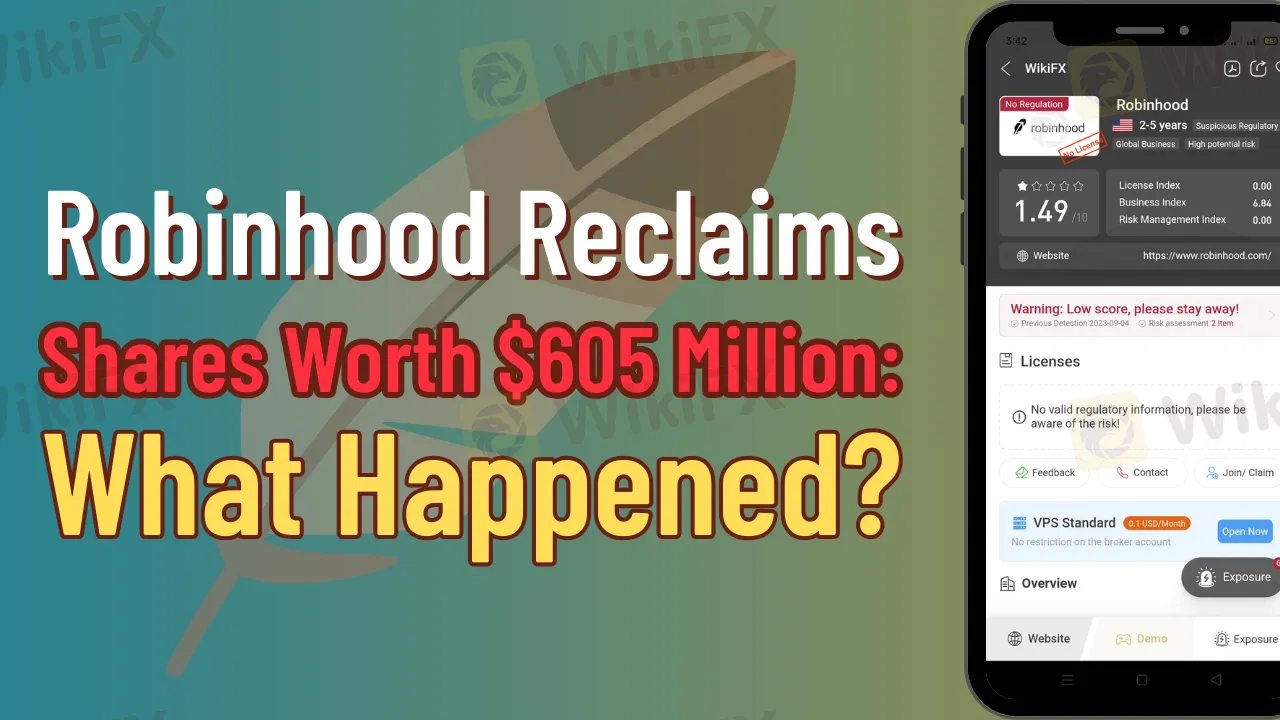
In recent financial news, trading giant Robinhood made headlines by reclaiming a massive 55 million shares previously owned by Sam Bankman-Fried, a name synonymous with the FTX platform. This acquisition, worth over $605 million, is surrounded by intricate stories, disputes, and legal dilemmas. Let's break down the main points:
The Big Buy: Robinhood, the popular trading platform, has acquired 55 million shares, worth more than $605 million. These shares were formerly in the possession of Sam Bankman-Fried. The story gets interesting because this share acquisition wasn't a straightforward business deal.
Who is Sam Bankman-Fried? The founder of the FTX platform, Sam Bankman-Fried's recent arrest brought him into the limelight. He's facing serious charges including fraud, money laundering, and violations of campaign finance laws. The value of these Robinhood shares surged after his arrest, rising over one-third this year.
Complex Connections: When we talk about these shares, it's not just Robinhood and Bankman-Fried in the picture. Another company, Emergent Fidelity Technologies, first bought the Robinhood stake from Bankman-Fried. However, things turned south when this company faced bankruptcy after FTX's collapse. This scenario created a domino effect, impacting other companies linked with it.
The $700 Million Asset Pool: The seized Robinhood shares were just a part of the larger $700 million asset pool of Bankman-Fried. If proven guilty, he will have to surrender all these assets.
The 4-Way Tussle: This story is also about a complicated legal battle. Initially, a crypto lender named BlockFi claimed these Robinhood shares, stating they were collateral for a loan given to Emergent Fidelity. In response, FTX raised an objection, suggesting that these assets be held until a fair distribution among creditors is possible. To add to the complexity, Bankman-Fried mentioned his need for these stocks to fund his ongoing legal battles.
Robinhoods Rising Value: On the day of the acquisition's announcement, Robinhood's shares soared, closing 2% higher. This pushed the company's valuation to roughly $10 billion. Stock buybacks often have the potential to drive a company's share price up, primarily due to the reduced number of available shares in the market.
Pending Questions: What remains uncertain is the fate of the funds that the U.S. Marshal Service now holds, derived from this acquisition.
Legal Troubles for Bankman-Fried: The FTX founder's challenges aren't over. He was recently jailed after a judge believed that he was trying to influence the witnesses against him. His trial is set for October.
In conclusion, the world of financial trading is not just about numbers and percentages; it's intertwined with personal stories, legal battles, and the ever-changing dynamics of the market. With platforms like Robinhood and figures like Sam Bankman-Fried in the spotlight, the drama continues to unfold.
For continuous updates on such news, you can check out the WikiFX App. This platform keeps you informed about the latest happenings in the financial world.
Download link: https://www.wikifx.com/en/download.html

Disclaimer:
The views in this article only represent the author's personal views, and do not constitute investment advice on this platform. This platform does not guarantee the accuracy, completeness and timeliness of the information in the article, and will not be liable for any loss caused by the use of or reliance on the information in the article.