Abstract:Flag carrier aims to take off with more cargo and digitized operations
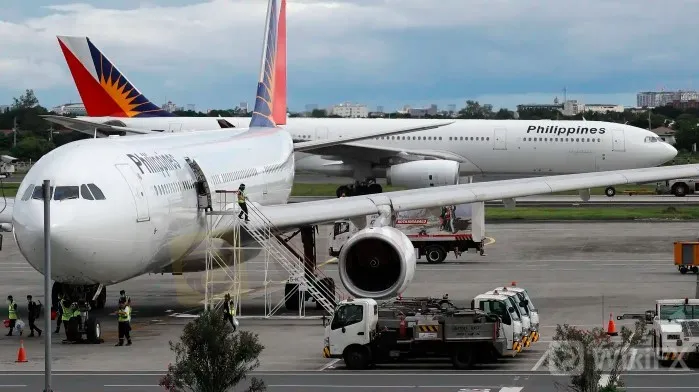
Philippine Airlines' parent company began trading on Monday but needs more funding. MANILA Philippine Airlines' parent company began trading on Monday, nine months after exiting bankruptcy protection. MANILA Philippine Airlines' financial difficulties worsen even as its parent company believes it is nearing completion of a debt restructuring plan. PAL Holdings recorded a financial loss of 8.6 billion pesos ($178 million) for the three months ended March, while its capital deficit increased by over 10 billion pesos to 83.9 billion pesos. The carrier is “in the final phases of a comprehensive restructuring plan that will enable the airline to emerge financially stronger from the current global crisis,” according to a press release accompanying the findings. The company's 2020 results showed the pandemic's impact. In 2019, the net loss grew to 73 billion pesos from 9.7 billion, while revenues fell 64% to 55.3 billion. Its capital deficit increased to 74 billion pesos from 3.5 billion pesos in 2019. President Gilbert Santa Maria announced late last year that the corporation would seek legal protection for its debt restructuring. It also planned to return planes to lessors and raise $505 million in new finance to avoid bankruptcy. Early this year, the corporation laid off roughly 2,000 people, or a third of its workforce. In its 2020 annual report, Philippine Airlines said it had already begun reorganizing its fleet to accommodate lower demand for air travel. On May 26, it had not submitted “any rehabilitation plan with any court”. The airline will also streamline its route network by discontinuing “certain ultra-long-haul routes and modifying overall route network frequencies” compared to 2019. According to PAL Holdings, it has received “bridge money and support from its majority shareholder and deferred payments through the forbearance of lessors, lenders, and suppliers.” “Philippine Airlines' recovery will be slow,” PAL Holdings said. “The situation remains uncertain, but the availability of COVID-19 vaccination gives hope that passenger traffic will surpass 2020.” All Nippon Airways' parent firm, ANA Holdings, owns 9.5% of PAL Holdings.
Disclaimer:
The views in this article only represent the author's personal views, and do not constitute investment advice on this platform. This platform does not guarantee the accuracy, completeness and timeliness of the information in the article, and will not be liable for any loss caused by the use of or reliance on the information in the article.